Protect Your Property This Spring with Commercial Maintenance
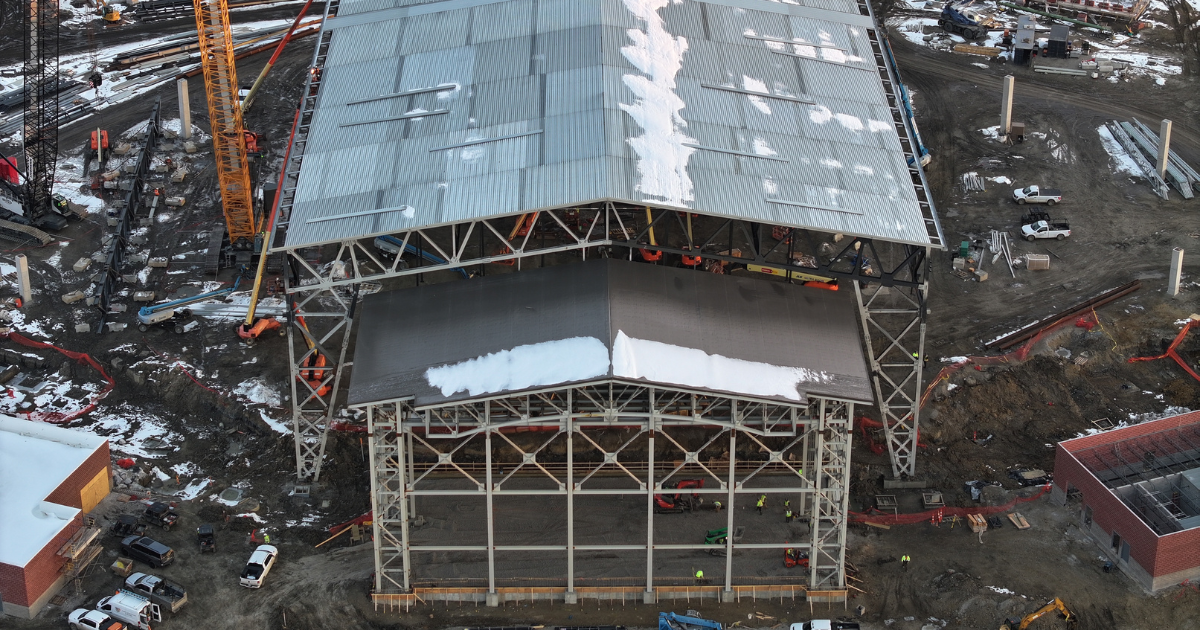
Commercial maintenance should begin as soon as winter weather passes. Spring is the time to strengthen roofing systems, drainage, and exterior protection before heavy rain arrives. Commercial properties endure months of freeze thaw cycles, wind exposure, moisture buildup, and debris accumulation. As temperatures rise, property owners have an important opportunity to restore building performance and prepare for the heavy rain and storm activity that often follows in spring and summer.
If you own a commercial building with multiple tenants, maintenance is not about appearance. It directly impacts rental income, tenant stability, and long term repair costs. A structured Spring Maintenance Checklist for Commercial Buildings allows you to address small areas of wear before they become larger structural problems that interrupt business operations.
Why Commercial Maintenance Matters in Spring
Winter conditions quietly stress roofing systems, drainage components, flashing transitions, and exterior materials. Expansion and contraction weaken seals. Standing moisture accelerates deterioration. Clogged drains increase structural pressure.
A consistent Spring Maintenance Checklist for Commercial Buildings strengthens these systems before peak storm season begins. Addressing vulnerabilities early reduces emergency repairs, protects interior spaces, and supports predictable operating expenses. Commercial buildings are income producing assets, and seasonal maintenance protects that income.
Commercial Maintenance Priorities for Building Exteriors
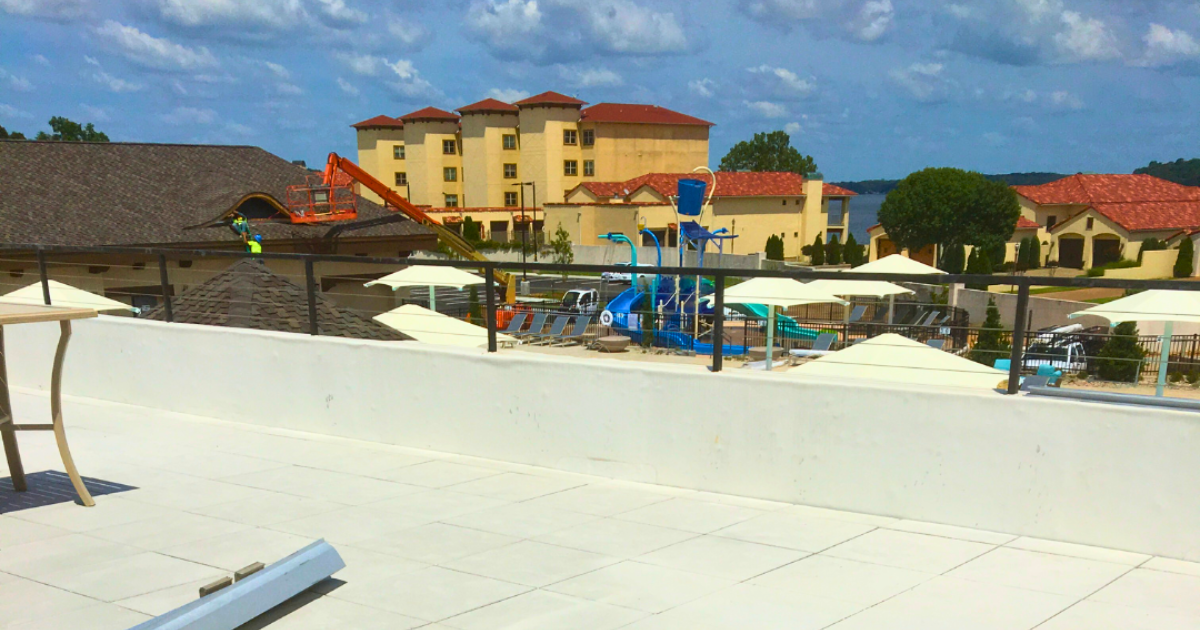
Exterior surfaces should be reviewed carefully each spring. Walls, siding, and masonry may show separation, cracking, or corrosion after winter exposure. Even small gaps allow moisture to move behind building materials, affecting insulation and interior finishes over time.
Drainage performance is a critical part of any Spring Maintenance Checklist for Commercial Buildings. Downspouts must remain secure and clear, and water should move away from the foundation without pooling near the structure. Improper drainage contributes to both roofing deterioration and foundation stress.
Landscaping also affects building performance. Overhanging branches can scrape roofing membranes during storms, while excess vegetation contributes to debris accumulation in drains and along roof edges. Managing growth improves airflow and reduces unnecessary roof wear.
Inside the building, ceiling discoloration, bubbling paint, soft drywall, or persistent odors may indicate moisture intrusion. Identifying these early signs supports tenant satisfaction and prevents larger interior repairs.
Roofing Systems in a Commercial Maintenance Plan
Roofing systems are the primary protective barrier for any commercial structure. Membranes, flashing transitions, penetrations, and expansion joints naturally age. Without structured seasonal care, these components become vulnerable to leaks.
HVAC curbs, skylights, and mechanical penetrations experience constant movement and exposure. If these transition points are not maintained properly, water infiltration becomes more likely. In some cases, moisture becomes trapped beneath roofing materials without visible surface damage. Professional maintenance ensures hidden vulnerabilities are addressed before insulation or structural decking is compromised.
Understanding Roles in Commercial Maintenance
A Spring Maintenance Checklist for Commercial Buildings includes both internal coordination and professional expertise. Property managers can oversee exterior walkthroughs, drainage clearing, landscaping adjustments, and interior monitoring. However, technical roofing system maintenance, flashing reinforcement, and moisture detection should be handled by trained commercial roofing professionals.
Improper handling of roofing assemblies can void manufacturer warranties and create long term structural issues. Partnering with a qualified contractor ensures that your Spring Maintenance Checklist for Commercial Buildings remains effective and aligned with long term asset protection goals.
Lewis Roofing and Your Commercial Maintenance Strategy
Lewis Roofing works with commercial property owners who manage multi tenant buildings, standalone facilities, and leased commercial spaces. We understand that downtime affects tenants, budgets, and operational stability.
Partnering with Lewis Roofing turns your Spring Maintenance Checklist for Commercial Buildings into a proactive protection strategy. Instead of reacting to leaks after disruption occurs, we reinforce vulnerable areas, strengthen drainage performance, and help extend the life of your commercial roofing system before storm season intensifies.
To learn more about our commercial roofing services, visit https://lewisroofing.com/commercial-roofing. If you are ready to strengthen your preventative maintenance plan, explore https://lewisroofing.com/maintenance. For general roofing education resources, property owners can review information at https://www.nrca.net.
Protect Your Property This Spring with Commercial Maintenance
A Spring Maintenance Checklist for Commercial Buildings supports responsible ownership and long term asset preservation. Spring presents a clear opportunity to restore your building’s resilience before severe weather arrives. When professional expertise from Lewis Roofing supports your Spring Maintenance Checklist for Commercial Buildings, your property remains secure and prepared for the year ahead. A strong commercial maintenance strategy also includes scheduling regular maintenance reviews, documenting repairs, and tracking long term building performance. Property management teams that prioritize preventive maintenance reduce emergency repairs and extend the lifespan of major building systems.

Comment (0)