Commercial Roof Preparation for Oklahoma Weather Patterns
Commercial roof preparation is essential for property owners operating in Oklahoma’s unpredictable climate. From ice and snow to hail, high winds, tornado activity, and extreme summer heat, Oklahoma weather patterns place consistent stress on commercial roofing systems. These conditions are not rare occurrences. They are recurring seasonal realities that must be planned for in advance.
Preparing your commercial roof for Oklahoma weather patterns means reinforcing vulnerabilities before severe weather exposes them. Roofing systems serve as the primary protective barrier for your building. When weak points exist, weather conditions will identify them quickly.
How Oklahoma Weather Patterns Impact Commercial Roof Preparation
Oklahoma weather patterns are influenced by rapid atmospheric shifts caused by colliding cold and warm air masses. According to the National Weather Service, Oklahoma consistently experiences high frequencies of severe thunderstorms, hail events, and tornado activity, making proactive planning critical for building owners. You can review regional storm data through the National Weather Service at https://www.weather.gov.
Commercial roof preparation must address four primary stress factors: moisture, impact, wind uplift, and thermal expansion.
Heavy rainfall challenges drainage systems. Internal drains, scuppers, and downspouts must function properly to prevent ponding water on flat or low slope roofs. Standing water increases structural load and accelerates membrane deterioration. Effective commercial roof preparation includes verifying that water flows freely away from the roof surface.
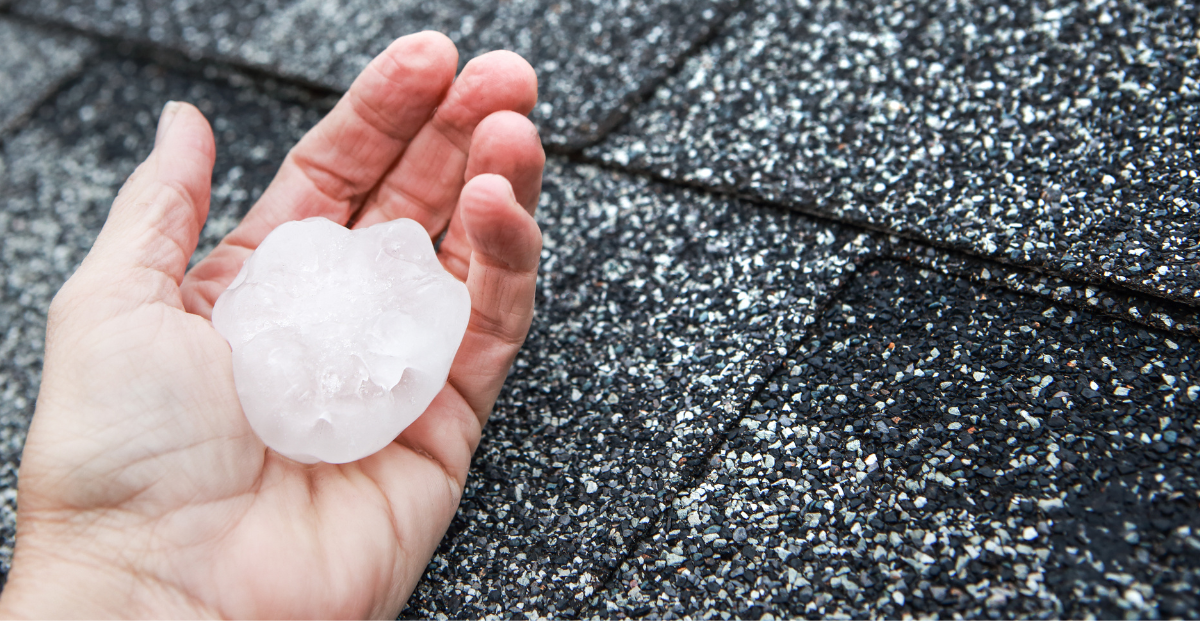
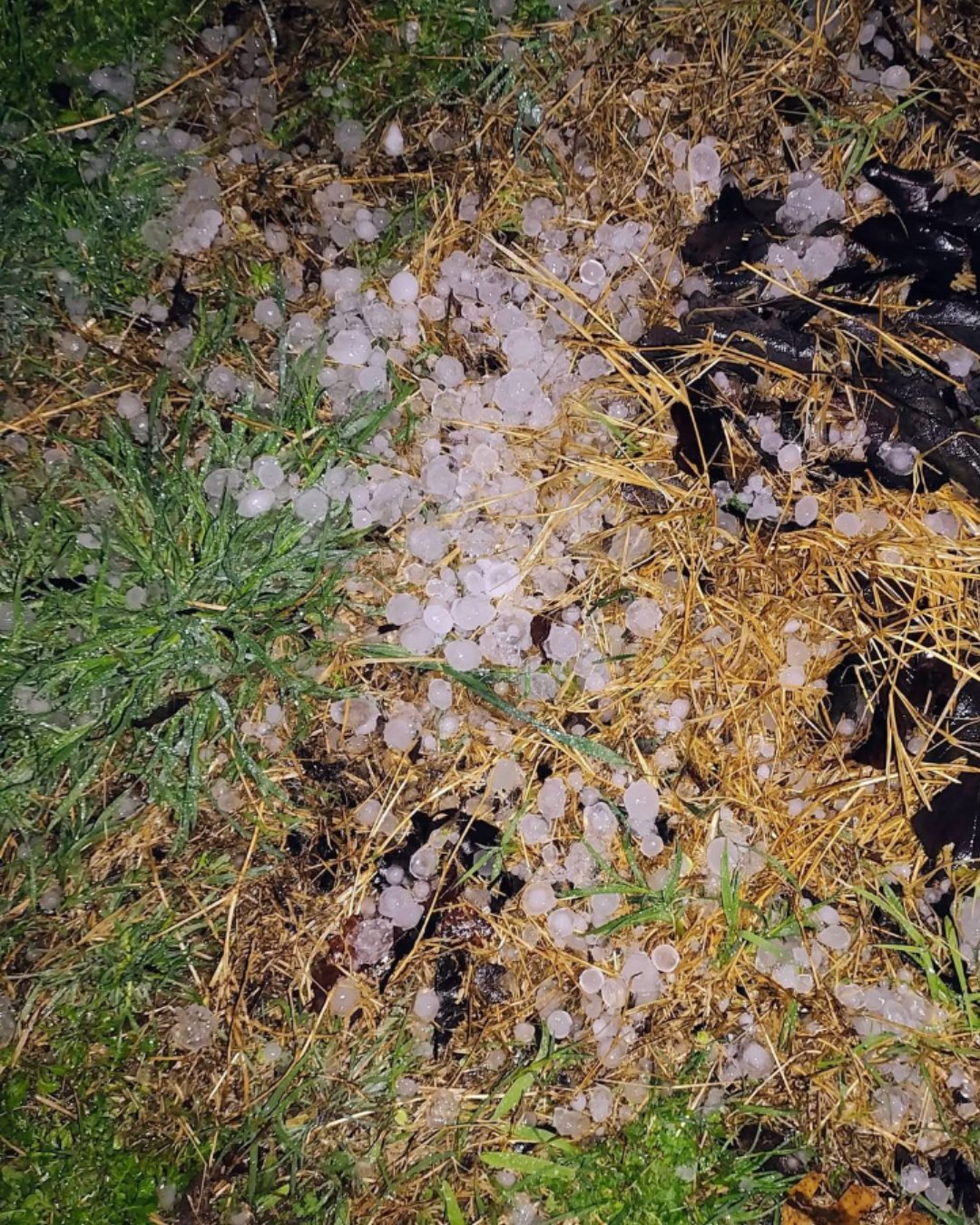
Hail impact is another significant concern in Oklahoma. Even when surface damage appears minor, membrane layers and insulation beneath the surface may be compromised. Commercial roof preparation includes evaluating membrane integrity and reinforcing areas that have experienced previous weather exposure.
Wind uplift creates pressure along roof edges, flashing transitions, and equipment penetrations. Sustained winds can loosen attachments and allow wind driven rain beneath the membrane. Reinforcing perimeter details is a key part of commercial roof preparation.
Thermal stress from freeze thaw cycles and prolonged summer heat weakens adhesives, sealants, and protective coatings. Repeated expansion and contraction can create separation points that allow moisture intrusion. Addressing aging materials is an important component of commercial roof preparation.
Historical Trends and the Need for Commercial Roof Preparation
Oklahoma’s history of severe storms demonstrates that roofing damage often results from repeated exposure rather than a single catastrophic event. Multiple moderate hail storms, recurring wind events, and seasonal temperature fluctuations gradually weaken roofing systems.
Commercial roof preparation must consider cumulative wear. Small vulnerabilities left unaddressed can develop into significant failures when subjected to successive storms. Proactive reinforcement reduces long term deterioration and supports system longevity.
The Financial Risk of Delayed Commercial Roof Preparation
Delaying commercial roof preparation increases exposure to costly repairs and tenant disruption. Water intrusion does not remain isolated to the roof surface. It can damage insulation, interior finishes, equipment, and tenant property.
Emergency repairs typically involve higher costs and operational interruptions. Planned commercial roof preparation allows property owners to manage maintenance strategically rather than reactively.
Additionally, documentation plays a role in risk management. Maintaining service records and reinforcement documentation supports more efficient insurance claims processing in the event of storm related damage. The Occupational Safety and Health Administration provides general workplace safety guidance for severe weather conditions at https://www.osha.gov, which property ownersmay also find helpful when reviewing operational preparedness.
What Should Be Done Before Severe Weather Arrives in Commercial Roof Preparation
Commercial roof preparation should begin with drainage evaluation. Internal drains and scuppers must be cleared to prevent water accumulation during heavy rainfall.
Flashing around penetrations, HVAC curbs, and expansion joints should be examined and reinforced where needed. Minor sealant separation can become a significant leak source during wind driven rain.
Membrane surfaces should be assessed for punctures, seam stress, blistering, or coating degradation. Addressing these issues in advance reduces the likelihood of interior water intrusion.
Edge metal and perimeter attachments should be secured to reduce uplift risk during high wind events. Reinforcement prior to storm season is significantly more effective than emergency stabilization afterward.
Seasonal Planning for Commercial Roof Preparation
In Oklahoma, this should follow a consistent annual schedule. Late winter and early spring provide an ideal opportunity to prepare before peak severe weather season. Summer inspections help evaluate heat related wear and coating condition. Fall planning allows for drainage and sealant review before winter moisture and freeze cycles return.
Rather than reacting after each storm, structured commercial roof preparation strengthens resilience throughout the year.
Partnering With Professionals for Commercial Roof Preparation
Commercial roofing systems require technical expertise. Effective commercial roof preparation should involve professionals who understand Oklahoma climate stress and commercial building performance.
Lewis Roofing works with commercial property owners across Oklahoma to reinforce roofing systems before severe weather intensifies. Learn more about our commercial roofing services at https://lewisroofing.com/commercial-roofing and explore how preventative maintenance planning supports long term building stability at https://lewisroofing.com/maintenance.
Oklahoma weather patterns will remain unpredictable. With structured commercial roof preparation, your roofing system can remain resilient.
If you own or manage a commercial property, now is the time to evaluate how prepared your roof is for the next shift in Oklahoma weather patterns.
Comment (0)